
Getting Around Albania
Choose transport after the route: car for reach, bus for the main spine, transfer for one awkward edge.
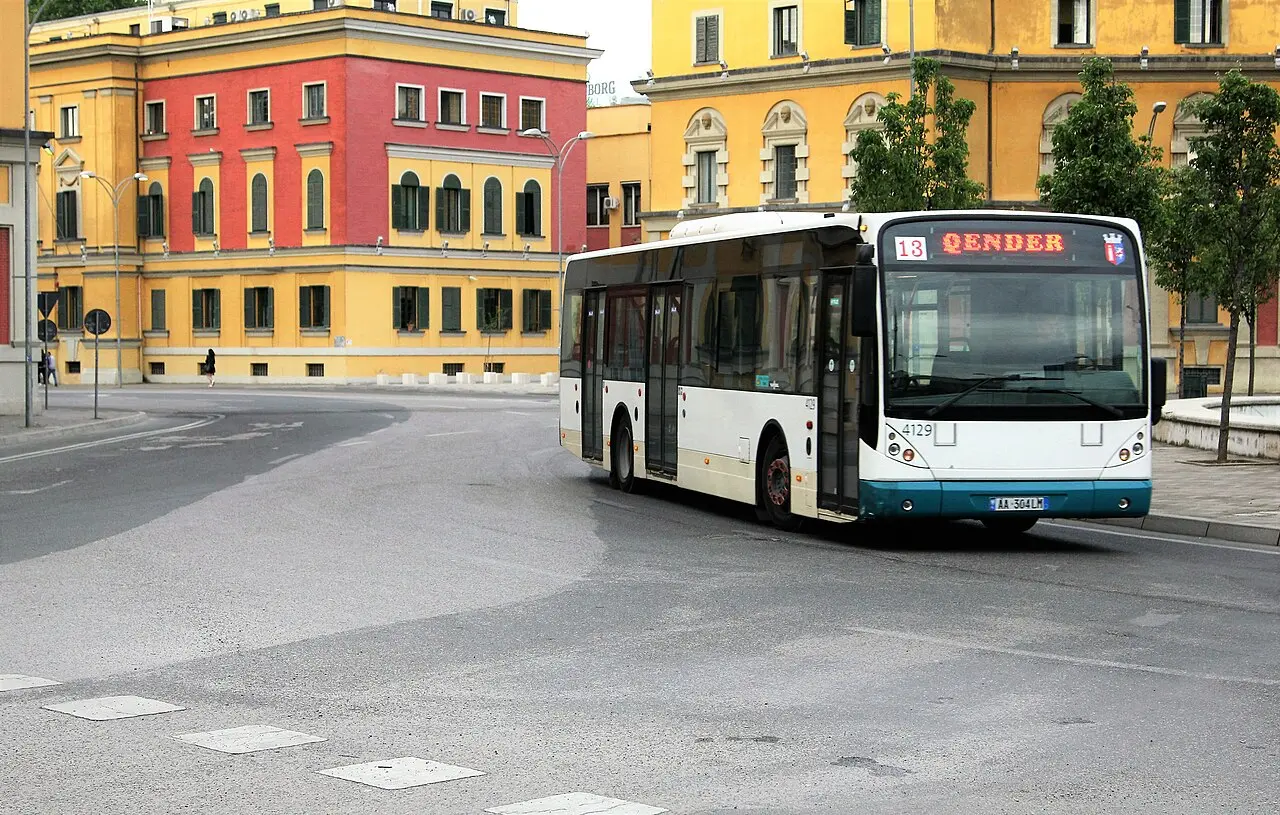
Public transport becomes easier when the exact terminal and final leg are checked separately. simmal via Wikimedia Commons · CC0 1.0.
What do you want to explore?
Start with the decision in front of you. Every guide also names the travel time, limits and trade-offs that glossy lists tend to skip.
Public Transport in Albania: How It Works
Official eTransport now provides a national starting point for lines, stations and schedules; verify the selected trip close to travel.
Driving in Albania
Driving gives reach but requires defensive margins, clear insurance and fewer kilometres than the map suggests.
Tirana Airport Transfer
Choose official bus, taxi or arranged transfer by arrival time, final destination and luggage.
Good to know before you choose
A few grounded planning notes, without turning the overview into another long itinerary.
A car expands choice but adds parking, insurance and driving load
A car expands choice but adds parking, insurance and driving load. Buses work best between major towns. The Alps have a separate seasonal chain.
Four transport patterns cover most first trips
Use a city bus or on-foot plan inside Tirana, intercity buses or furgons between major towns, a rental car for dispersed rural and coast stops, and an arranged transfer for a single weak edge. These modes can be combined. A mixed journey is often more efficient than defending one transport choice for the entire holiday.
The strongest public-transport spine links larger places such as Tirana, Shkodër, Berat, Gjirokastër and Sarandë. The network becomes harder when the desired stay sits beyond a terminal, when a mountain chain has seasonal transfers, or when several services must connect on the same day. A car fixes reach but introduces parking, insurance, deposit and driver-attention costs.
| Mode | Use it for | Main drawback | Check before committing |
|---|---|---|---|
| Intercity bus or furgon | Direct journeys between major towns | Station and service details vary | Operator, date, departure point and last arrival |
| Rental car | Rural valleys, scattered coast stops and route flexibility | Contract, parking and driving load | Licence, deposit, cover, borders and access road |
| Private or shared transfer | One awkward final leg or late arrival | Higher cost and cancellation terms | Named operator, pickup, luggage and backup |
| Organised mountain chain | Theth, Valbona or Koman logistics | Season and weather dependency | Every road, boat, trail and luggage handover |
Plan the whole chain, not the headline leg
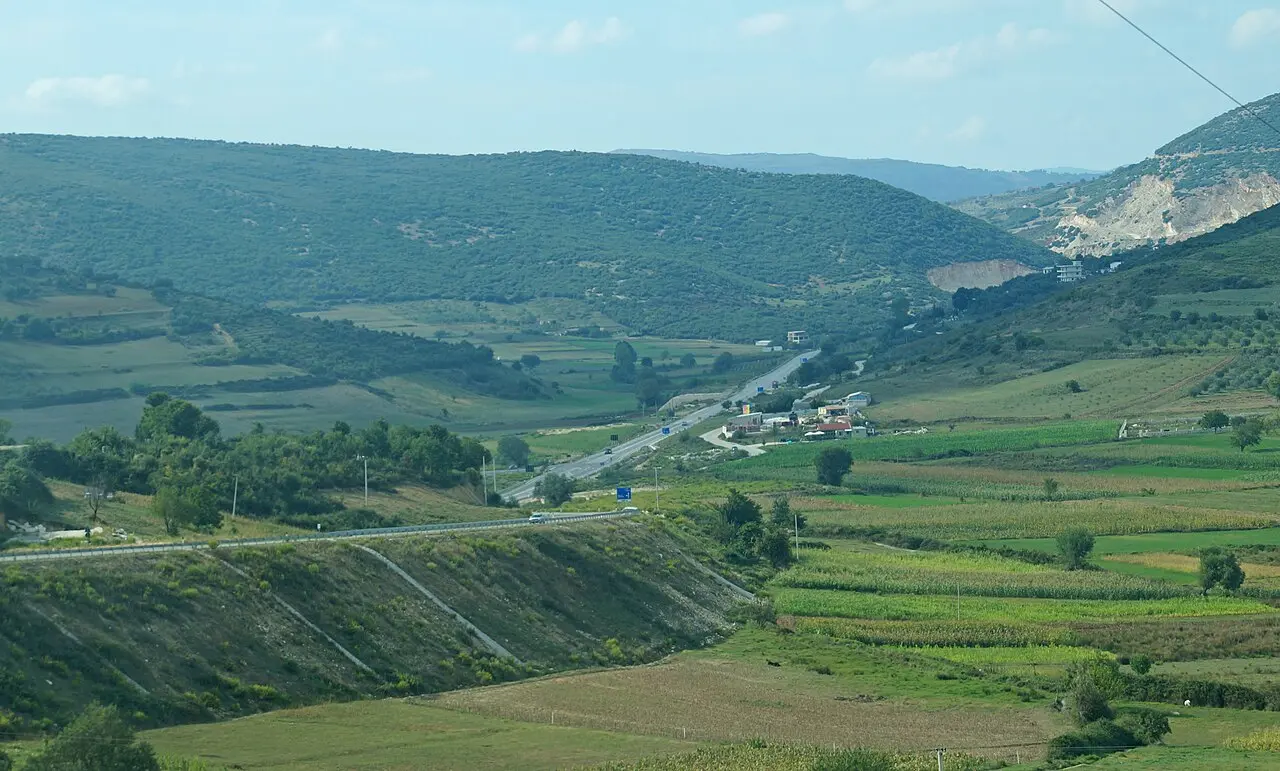
A transport day begins at the room and ends at the next room. Add the walk or taxi to the departure point, time to identify the vehicle, the main journey, a possible break or change, and the final kilometre. A direct service can still be a poor choice when it leaves from a distant terminal or arrives after the local connection has finished.
The weakest element determines the buffer. A routine city-to-city bus can sit beside a normal afternoon. A seasonal mountain transfer, a ferry or an airport connection should not be stacked behind another uncertain service. Keep confirmation details offline and travel in daylight when the arrival point or access road is unfamiliar.
Checked against: eTransport Albania, Tirana International Airport — by bus, UK FCDO — safety and security in Albania
Where to continue
Use the public-transport guide for ticket practice, Tirana departure points, luggage, accessibility and no-car route examples. Use the driving guide for contracts, insurance questions, parking and road risk. The airport page compares the published bus with taxi and arranged-transfer logic. The rental-car page turns the contract into a checklist.
No guide can guarantee the operation of a future service. Recheck the responsible source close to travel and ask the accommodation to confirm the exact arrival or pickup point when the final leg is unclear.
The transport decision in six questions
Answer these before comparing headline prices. The result may be a bus trip with one transfer, a road trip that begins after Tirana or an organised mountain segment without a rental car. The correct mode is the one that makes the whole route resilient.
- Does the mode reach the actual accommodation, not just the named town?
- Can every important leg be verified for the travel date?
- Does the traveller accept the driving, contract or connection stress involved?
- Is there a workable option when weather or a service changes?
- Does luggage, mobility equipment or a child seat change the vehicle needed?
- Is the final flight protected from the weakest leg?
Current where it matters. Volatile facts are dated and linked to the source.